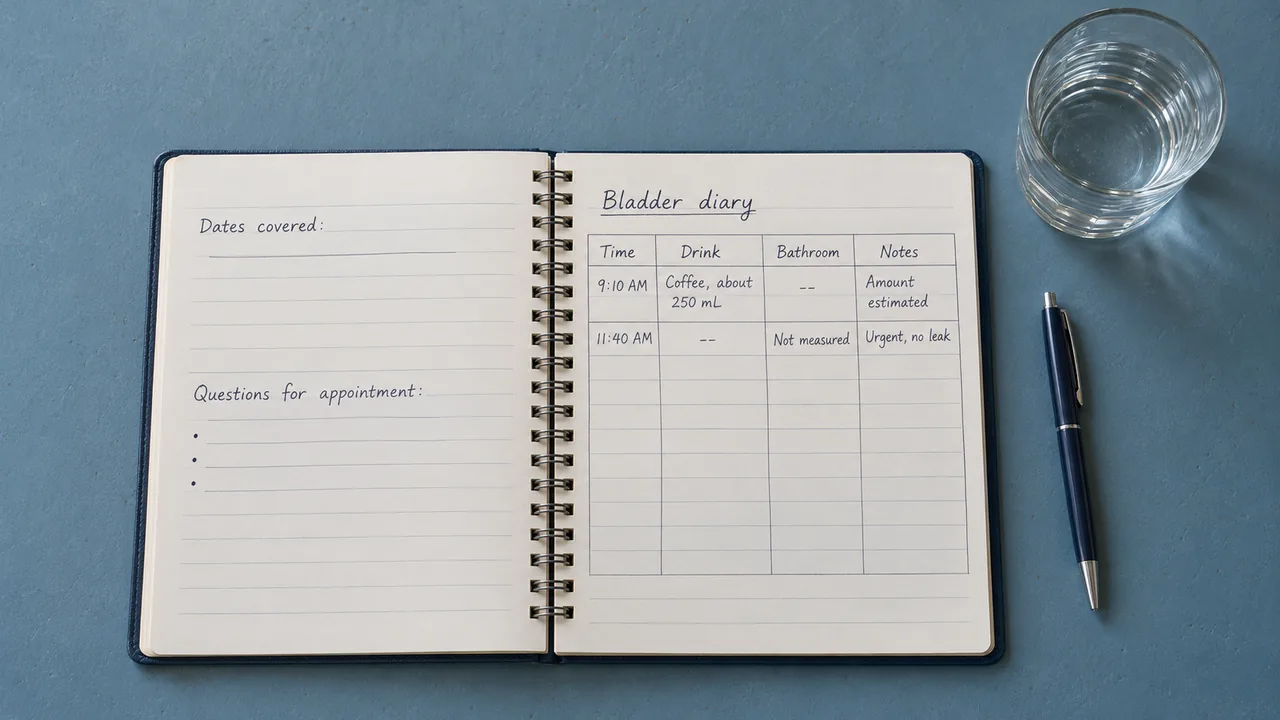
A nausea diary can help you remember when episodes happened, how long they lasted, what else you noticed, and how they affected your day. Use it to create a concise timeline for your own review and, when appropriate, a conversation with a healthcare professional. A diary cannot identify a diagnosis or prove that a food, medicine, or activity caused an episode.
What Counts as Nausea?
Nausea is the feeling that you may vomit. Vomiting means forcefully bringing stomach contents up and out of the mouth. They can happen together, although you may experience nausea without vomiting. Both can occur with many different conditions, so record what happened without labeling the cause. MedlinePlus provides an overview of nausea and vomiting.
What to Record During an Episode
Make a short entry while the details are still clear. A clinician may ask when vomiting began, how long it lasted, how often it occurred, whether it followed eating, and which other symptoms were present. Those questions can provide a useful structure for your diary.
Timing and Duration
- Date and approximate start time
- When the nausea improved or ended
- Whether it was continuous or came in waves
- Whether it occurred before eating, after eating, or on an empty stomach
- How many separate episodes occurred that day
If you cannot record an exact time, use an approximation such as "shortly after waking" or "about an hour after lunch." A consistent estimate is more useful than a blank field.
Personal Severity
You can give the episode a personal score, such as 1 to 10, if that helps you review changes. Define the endpoints in your own words and use them consistently. For example, 1 might mean barely noticeable, while 10 means the most intense nausea covered by your scale.
The score is a personal observation, not a clinical measurement. Add a few words about what you could do during the episode, such as eating, drinking, traveling, working, studying, sleeping, or completing ordinary activities.
Vomiting and Fluids
Record whether you vomited and approximately how many times. Note whether you could keep food or liquids down. If it becomes relevant, record when you last urinated. Vomiting can lead to dehydration. Reduced or dark urine, dry mouth, and increased thirst are among the signs described in adult nausea guidance.
Do not delay care to finish an entry. The safety section below covers warning signs found in the cited medical sources.
Related Symptoms
Record symptoms that occurred at about the same time without assuming they had the same cause. These may include:
- Abdominal pain or discomfort
- Fever
- Diarrhea
- Headache or stiff neck
- Dizziness or weakness
- Changes in appetite
- Weight change, if you already track it
If headache or dizziness often occurs during the same episode, the guides to keeping a headache diary and a dizziness diary can help you choose additional details to record.
Add Context Without Naming a Trigger
Context can make your timeline easier to interpret, but sequence does not establish cause. Instead of writing "dinner caused nausea," record the facts: "Nausea began at 8:15 p.m., about 90 minutes after dinner." This keeps the useful detail without turning an association into a conclusion.
Food and Drink
You do not need to reconstruct every ingredient from the day. Record meals, snacks, drinks, skipped meals, or unfamiliar foods that occurred reasonably close to the episode. Note whether nausea interfered with eating or drinking. If several people who ate at the same place became ill, include that detail because a healthcare professional may ask about it.
Medicines and Treatments
Record the medicine name, dose if known, and time taken, along with when nausea or vomiting began. Include prescription medicines, nonprescription products, and any anti-nausea treatment you used. If you vomit after taking a medicine, tell a healthcare professional. Do not change or stop treatment based only on your diary.
For a more structured medicine timeline, see tracking medication side effects. A symptom that follows a dose is worth documenting, but timing alone does not prove the medicine caused it.
Surrounding Circumstances
Briefly note what was happening when the episode started. Depending on your experience, this could include travel, motion, a strong smell, a headache, unusual sleep, or another change from your normal routine. Keep details that you expect to review later.
A Simple Nausea Diary Template
Using the same format for each entry makes episodes easier to compare. Record:
- The date and start and end times
- Your personal severity score and what it meant
- Whether you vomited and approximately how often
- Relevant food and fluid context, including whether you could keep liquids down
- Medicines taken and their timing
- Other symptoms present during the episode
- Changes to meals, sleep, work, travel, or other activities
- Any question you want to ask
For example: "7:30 a.m. to 9:00 a.m.; personal severity 6/10; no vomiting; sipped water; started before breakfast; headache and light sensitivity; rested and started work late." The entry records observations without proposing a diagnosis.
How to Review Your Entries
After several entries, review the timing, duration, related symptoms, vomiting frequency, medicine timing, and effects on eating or drinking. Treat an apparent pattern as a question. For an appointment, you might write, "Three episodes began before breakfast this week. Could timing be relevant?"
If your logging method becomes too complicated, keep the fields you can complete consistently. The comparison of a symptom tracker and health journal explains how focused check-ins and broader notes can work together without recording everything twice.
Try Baseline for tracking if you want to create your own metrics, enter personal 1-10 scores, add notes, review timelines and charts, and prepare a text summary or CSV export from your check-ins. Baseline stores core symptom entries on your phone. You choose when to save or share an export.
When to Seek Medical Help
A diary should not delay care. MedlinePlus advises emergency help for suspected poisoning or blood or dark, coffee-colored material in vomit. Its guidance also gives reasons to seek prompt medical care, including severe abdominal pain, severe headache or stiff neck, prolonged vomiting, inability to keep fluids down, or signs of dehydration. Exact time thresholds vary among the cited pages, so follow instructions from your healthcare professional and local emergency services instead of waiting for a diary threshold.
If you are unsure how urgently you need care, contact an appropriate healthcare service. Bring or share your timeline only when doing so will not delay assessment.
Prepare a Clear Appointment Summary
Before an appointment, condense your entries into a short overview that covers:
- When the problem started
- How often episodes happen
- The typical and longest duration
- Whether vomiting occurs
- Whether you can keep liquids down
- Common related symptoms
- Medicines used near an episode
- Changes in eating, weight, work, sleep, or other activities
- Two or three questions you want answered
A short summary is easier to scan, and you can keep the full diary available in case more detail is needed. Continue recording factual observations, use the same personal scale, and treat recurring sequences as questions rather than proof of a cause.
Sources