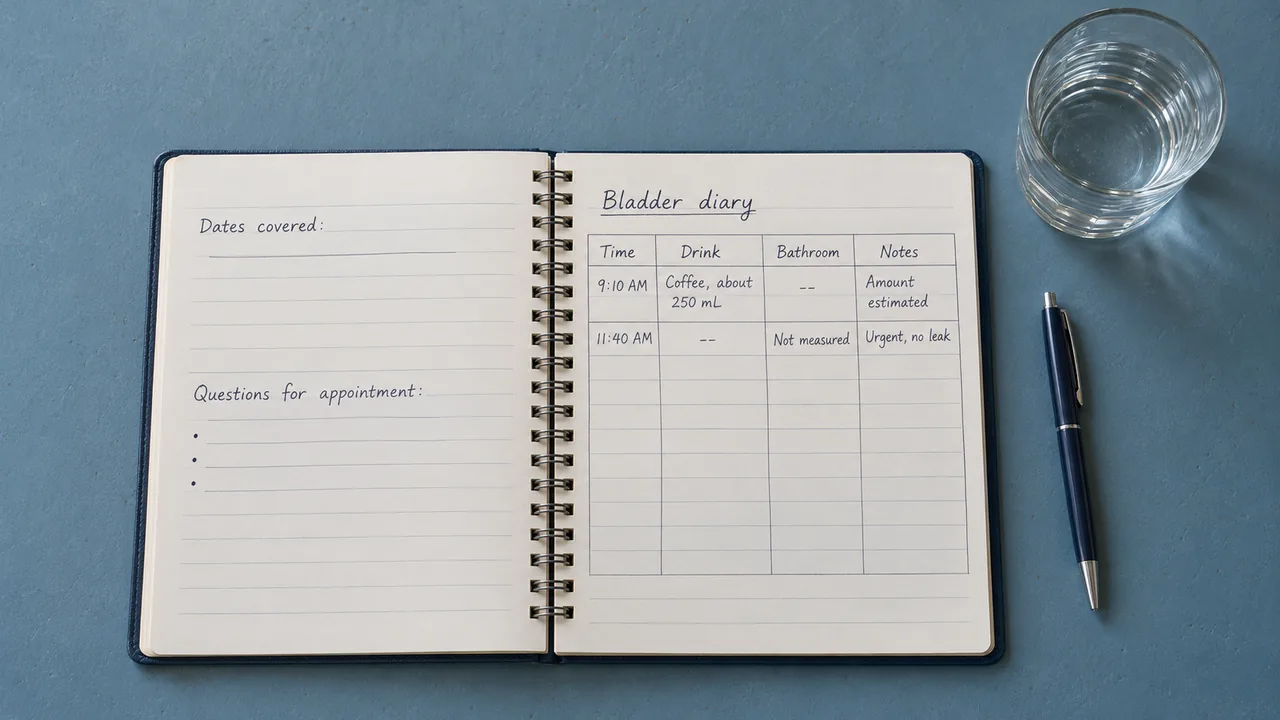
A possible medication side effect can be hard to describe several days later. A short log preserves the order of events: when you took the medicine, what you noticed, how long it lasted, and what else changed around the same time. That timeline can help a clinician or pharmacist understand your question. It cannot establish that a medicine caused the symptom.
Start With the Medicine Instructions
Use the exact medicine name and dose from the pharmacy label or package. Include whether it is a prescription medicine, an over-the-counter product, or a supplement. If you recently started or stopped it, or the dose changed, record the date.
The FDA explains that side effects may occur after starting or stopping a drug or after a dose increases or decreases. The same page recommends reading the pharmacy label and patient information and asking a health care professional what side effects to watch for. Keep those instructions with your notes so the log does not replace the guidance you were given.
Record the Sequence While It Is Fresh
Write down what you observed in plain language. Include where you felt it, when it began, how long it lasted, and whether it affected sleep or an ordinary activity. If you use a 1-10 score, treat it as your own consistent rating rather than a clinical measurement.
Pair the symptom entry with the time you took the medicine. For example: "8:00 a.m., took usual dose; 10:15 a.m., nausea began, 4/10; able to eat lunch; eased around 1:00 p.m." The order matters because it is easy to forget later. A repeated sequence may give you a useful question, but it still does not prove cause and effect.
Add Context That Could Change the Conversation
MedlinePlus notes that medicines can interact with other drugs, foods, supplements, and medical conditions. Add relevant context when you know it: another medicine or supplement, a missed dose, a meal, alcohol, an illness, or a major change in sleep. Keep the list focused on details you may need to discuss.
Record what happened without running your own test. Do not change a dose, stop a medicine, or repeat a suspected interaction to see whether the symptom returns unless a qualified professional has told you to do so. If a symptom feels urgent, seek appropriate care instead of waiting to complete the log.
Prepare a Short Summary for a Conversation
Before you contact a clinician or pharmacist, review the entries and pull out a few facts: the medicine and dose, the date of the first change, how often the symptom appeared, how long it lasted, and any effect on daily activity. Add the question you want answered. Our guide to tracking symptoms before a doctor appointment has a simple structure for turning daily entries into a useful conversation.
Keep your wider medicine list, allergies, and past reactions in a longer-term record. The comparison of a symptom tracker and health journal explains how that history differs from a short log of a current change.
Know Where Safety Reports Fit
FDA MedWatch accepts reports from patients and consumers about serious problems with regulated medical products. A clear timeline may help you provide details if you or a health professional files a report. Reporting a problem does not determine whether the product caused it, and it does not replace medical care.
Use Baseline for Quick Check-Ins
Baseline lets you create trackers for the symptoms and wellbeing signals you want to follow. You can add personal 1-10 scores and notes, then review the recorded changes in timelines and charts. For a possible side effect, a note can hold the medicine time, the symptom time, and the context you want to remember.
Baseline can prepare a text summary or CSV export from your check-ins. You decide whether to save or share a copy. Your core symptom entries stay on your phone unless you choose to export or share them. See the Baseline symptom tracker page for current app details and the Baseline privacy policy for information about on-device entries, exports, and backups.
Sources